
Thousands of Muslim families live abroad or in environments where foreign languages—such as English, French, or German—dominate children’s daily communication and schooling. In this new linguistic reality, parents often face a major dilemma: How can children growing up in a non-Arabic environment fluently read the Quran and develop a deep, lasting comprehension of the Arabic language?
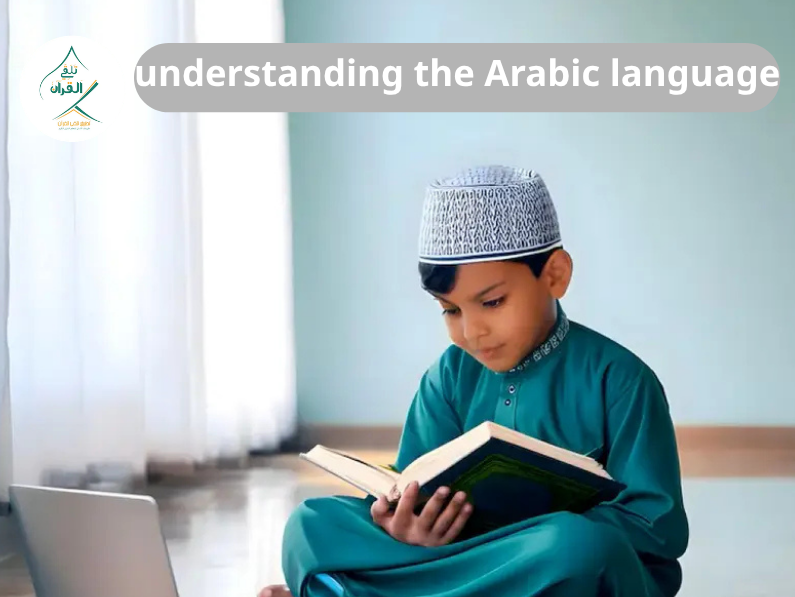
The challenge of understanding the Arabic language for kids accustomed to thinking in a foreign language is not merely about pronouncing letters correctly. It is deeply connected to shaping their Islamic identity, cultural roots, and emotional connection to the Book of Allah. The Holy Quran was not revealed as meaningless sounds to recite, but in a clear Arabic tongue so that hearts could reflect on its meanings and absorb its guidance.
In this comprehensive guide for parents, we outline a practical, interactive methodology leveraging modern technology to help your child read the Quran with confidence, master understanding the Arabic language, and eliminate shyness or hesitation—all from the comfort of your home through the Talaqi Al-Quran platform and app.

Linguistic and Educational Challenges Facing Expat Kids in Understanding Arabic and Reading the Quran
When a child receives most of their daily education in a foreign language, their mind builds a cognitive structure based on that language. When encountering Quranic text or Arabic, they face several psychological and learning hurdles:
                   ┌──────────────────────────────────────────┐
                   │    Challenges for Non-Arabic Speaking    │
                   │                 Children                 │
                   └────────────────────┬─────────────────────┘
                                        │
     ┌───────────────────┬──────────────┴──────────────┬───────────────────┐
     ▼                   ▼                             ▼                   ▼
┌─────────┐         ┌──────────┐                  ┌──────────┐        ┌──────────┐
│ Phonetic│         │ Mental   │                  │ Fear of  │        │ Rote     │
│ Barrier │         │Translate │                  │ Mistakes │        │ Reading  │
└────┬────┘         └────┬─────┘                  └────┬─────┘        └────┬─────┘
     │                   │                             │                   │
     ▼                   ▼                             ▼                   ▼
┌─────────┐         ┌──────────┐                  ┌──────────┐        ┌──────────┐
│ Unfamiliar│       │ Slow     │                  │ Shyness  │        │ Reading  │
│ Sounds  │         │ Compreh. │                  │ & Anxiety│        │ Without  │
└─────────┘         └──────────┘                  └──────────┘        │ Meaning  │
                                                                      └──────────┘
1. Phonetic Barriers and Unique Articulation Points (Makharij)
Arabic features unique phonetic sounds—such as * الضاد (Dhad), الظاء (Zha), العين (‘Ayn), and الحاء (Ha)*—that do not exist in most foreign languages. Without proper, structured vocal training, children find it difficult to pronounce these letters correctly when reading the Quran, which affects their confidence.
2. Reverse Mental Translation
Children used to speaking English or other languages tend to translate every Arabic word they hear into their primary language mentally. This dual mental process slows down their reading speed and prevents them from naturally understanding the Arabic language and appreciating Quranic phrasing.
3. Anxiety and Shyness in Group Classes
Children often feel embarrassed or stammer when asked to recite in front of peers who speak Arabic fluently in traditional group settings. This anxiety can lead to frustration and a lack of interest in learning [explore UNESCO research on child education and language foundations via UNESCO – Education].
4. Rote Reading Without Comprehension
Traditional methods often focus strictly on decoding letters without connecting words to their meanings. As a result, a child might struggle through reciting a verse without gaining any real understanding of the Arabic language or the inspiring Quranic stories behind it.
The Spiritual and Educational Importance of Arabic Comprehension in Children
The Quran and the Arabic language are inseparable. Allah Almighty says in the Holy Quran: “Indeed, We have sent it down as an Arabic Qur’an that you might understand.” [Surah Yusuf: 2]. The value of understanding the Arabic language extends far beyond improving recitation—it forms the cornerstone of a child’s Islamic character:
-
Strengthening Identity and Pride: When children understand the language of the Quran, they feel connected to their global Muslim heritage, preserving their values in any society.
-
Fostering Devotion in Prayer (Salah): Understanding the meaning of the verses recited during prayer transforms Salah from a routine physical action into a deeply meaningful spiritual experience.
-
Accessing Islamic Knowledge Independently: Mastering understanding the Arabic language allows children to read the Prophet’s Seerah, Hadiths, and Islamic moral stories on their own [read authentic Hadiths on the virtues of learning the Quran at Sahih al-Bukhari – Hadith Collection].
-
Enhancing Cognitive and Linguistic Skills: Arabic’s rich grammar and root system stimulate analytical thinking and linguistic intelligence in young minds.
Modern Interactive Methodology: Making Quran and Arabic Fun
Successfully teaching children who speak foreign languages requires moving from rigid rote learning to active, interactive education. This approach rests on key proven principles:
                            ┌──────────────────────────────┐
                            │  Interactive Learning Model  │
                            └──────────────┬───────────────┘
                                           │
        ┌──────────────────────────────────┼──────────────────────────────────┐
        ▼                                  ▼                                  ▼
┌──────────────┐                   ┌──────────────┐                   ┌──────────────┐
│ Phonetic     │                   │ One-on-One   │                   │ Smart        │
│ Foundation   │                   │ Live Sessions│                   │ Digital      │
│ (Noor Al-Bayan)│                 └──────────────┘                   │ Repetition   │
└──────────────┘                                                      └──────────────┘
1. Phonetic Foundation via “Noor Al-Bayan” and “Qaidah Nooraniyah”
The Noor Al-Bayan and Qaidah Nooraniyah methods are globally recognized as the most effective frameworks for teaching kids letter sounds, vowels, maddah, and tanween. They guide children step-by-step from single letter sounds to reading complete Quranic words and sentences effortlessly.
2. Live One-on-One Instruction
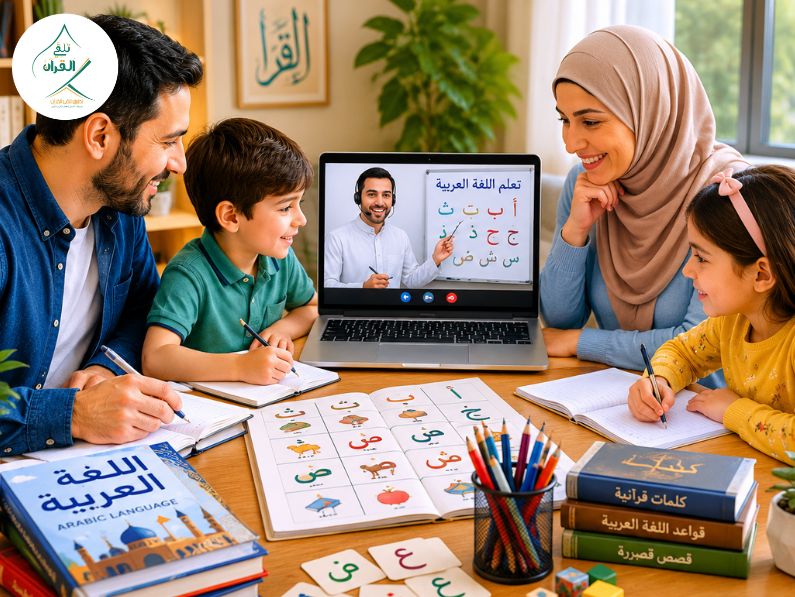
Personalized 1-on-1 sessions between the teacher and the child create a safe, pressure-free environment. The teacher can move at the child’s pace, offering immediate positive reinforcement.
3. Connecting Quranic Words with Visual Storytelling
Rather than teaching isolated vocabulary, words are introduced through short, engaging stories and visual aids. This approach builds vocabulary naturally and boosts understanding the Arabic language during recitation lessons [discover research on Arabic language acquisition frameworks at King Salman Global Academy for Arabic Language].
4. Interactive Digital Tools
Utilizing interactive mobile apps allows children to listen to certified reciters, record their voices, and track progress, transforming daily practice into an enjoyable experience.
Step-by-Step Action Plan for Home Learning
To help your child master Quranic reading and Arabic comprehension at home, follow this structured plan:
┌────────────────────────┐      ┌────────────────────────┐      ┌────────────────────────┐
│ 1. Phonetic Foundation │  ──► │ 2. Connect Vocabulary  │  ──► │ 3. Practice Recitation │
│   (Noor Al-Bayan)      │      │   with Visual Meaning  │      │   with Expert Teacher  │
└────────────────────────┘      └────────────────────────┘      └────────────────────────┘
Step 1: Establish a Solid Phonetic Base (Noor Al-Bayan)
Start with correct letter articulation and basic vowel sounds (Fathah, Dammah, Kasrah). Ensure your child masters each step before moving to the next.
Step 2: Build Daily Quranic Vocabulary
Select 3 to 5 key words daily from short Surahs (like Al-Falaq, An-Nas, or Al-Ikhlas) and explain their meanings using simple illustrations. This habit builds a natural capacity for understanding the Arabic language during prayer.
Step 3: Work with a Teacher Experienced in Non-Arabic Speakers
Children who speak foreign languages benefit from teachers trained in patient, multi-lingual communication. A certified teacher holding an Ijazah with a connected chain (Sanad) ensures accurate Tajweed and pronunciation from day one.
Step 4: Use Smart Apps for Daily Practice
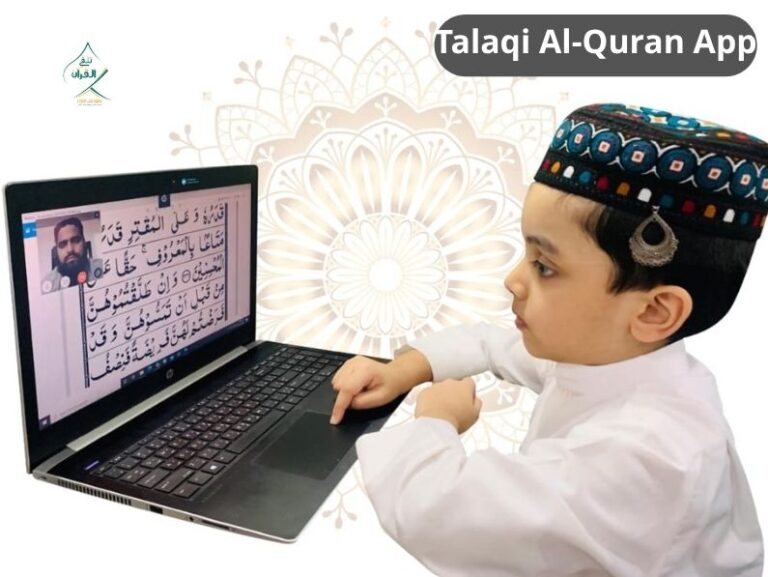
Turn screen time into a productive learning habit by downloading the Talaqi Al-Quran app, designed for live interactive sessions and practice tools [access digital Quran tools and translation features at King Saud University Electronic Quran Project].
See also
- Comprehensive Guide on Quran Education for Non-Arabic Speakers: How to Master Proper Recitation from Anywhere in the World
- The Best Curriculums and Books for Teaching Arabic to Non-Native Speakers
- How Non-Native Speakers Can Learn Modern Standard Arabic Correctly and Quickly
- The Difference Between Learning Modern Standard Arabic and Colloquial Dialects for Expats
How “Talaqi Al-Quran” Provides the Perfect Solution for Your Child
The Talaqi Al-Quran platform was created specifically to give Muslim families worldwide access to authentic, high-quality, and flexible Quranic and Arabic education.
                             ┌──────────────────────────────┐
                             │  Talaqi Al-Quran Solutions   │
                             └──────────────┬───────────────┘
                                            │
        ┌───────────────────────────────────┼───────────────────────────────────┐
        ▼                                   ▼                                   ▼
┌──────────────┐                    ┌──────────────┐                    ┌──────────────┐
│ Certified    │                    │ Specialized  │                    │ 24/7 Live    │
│ Teachers     │                    │ Programs for │                    │ Flexible     │
│ with Ijazah  │                    │ Non-Arabs    │                    │ Learning     │
└──────────────┘                    └──────────────┘                    └──────────────┘
1. Specialized Programs for Children & Non-Arabic Speakers
We offer tailored learning paths designed to meet every student’s needs:
-
Noor Al-Bayan & Qaidah Nooraniyah Foundation: A beginner-friendly program for young learners to build solid reading fluency.
-
Quran & Arabic for Non-Native Speakers: A step-by-step curriculum helping expat children learn Arabic vocabulary and recite smoothly.
-
Quran Memorization & Tajweed Correction: Practical memorization plans paired with interactive Tajweed guidance.
2. Certified Male & Female Teachers with Connected Sanad
Our team includes experienced male and female teachers holding Ijazah with an unbroken chain of transmission (Sanad) back to Prophet Muhammad (PBUH). They excel in child psychology, helping young learners feel comfortable and motivated.
3. 1-on-1 Live Video/Audio Sessions 24/7
Regardless of your time zone, you can schedule live, individual sessions at any time that fits your family’s routine in a safe, private environment.
4. Progress Reports & Mapped Learning Plans
Parents receive regular progress updates highlighting reading fluency, memorized Surahs, and growth in understanding the Arabic language.
Pricing Plans & Comparison (Exclusive Discounts Available)
Talaqi Al-Quran offers flexible pricing tiers for every family budget. Use promo code talaqi25 to enjoy an instant 10% discount:
| Plan Name | Minutes Included | Validity Period | Key Features & Goals | Standard Price | Promotional Price |
| Bidayat Talaqi (Starter) | 180 mins (3 hrs) | 30 Days | Starter plan for kid’s foundation + personal tutor | $30 | $15 |
| Basic Plan | 300 mins (5 hrs) | 30 Days | Regular reading foundation & recitation correction | $45 | $25 |
| Hifz (Memorization) Plan | 560 mins (9 hrs) | 30 Days | Personalized memorization plan & 1-on-1 testing | $78 | $78 |
| Revision & Retention | 810 mins (13 hrs) | 45 Days | Designed for solidifying memorization and retention | $95 | $95 |
| Launch with Talaqi | 1,200 mins (20 hrs) | 60 Days | Completion certificate + priority support + full mastery | $119 | $85 |
| Daily Recitation | 1,060 mins (17 hrs) | 90 Days | Daily consistency plan valid for 3 months | $125 | $125 |
| Unlimited Monthly | Unlimited Minutes | 30 Days | Unlimited daily recitation and revision sessions | $114 | $105 |
| Unlimited 3-Month | Unlimited Minutes | 3 Months | Ultimate choice for intensive memorization & Ijazah | $265 | $265 |
Talaqi Al-Quran App: A Smart Learning Environment on Your Phone
Designed to fit modern digital lifestyles, the Talaqi Al-Quran app gives your child direct access to their learning journey anytime, anywhere:
                  ┌──────────────────────────────┐
                  │    Talaqi App Highlights     │
                  └──────────────┬───────────────┘
                                 │
     ┌───────────────────┬───────┴───────┬───────────────────┐
     ▼                   ▼               ▼                   ▼
┌─────────┐         ┌──────────┐    ┌──────────┐        ┌──────────┐
│ 1-Click │         │ Repetition│   │ Direct   │        │ Detailed │
│ Session │         │ & Review │    │ Teacher  │        │ Progress │
│ Join    │         │ Tools    │    │ Chat     │        │ Reports  │
└─────────┘         └──────────┘    └──────────┘        └──────────┘
-
One-Click Live Classes: Connect instantly with certified tutors via high-quality audio/video.
-
Audio Practice & Repetition Tools: Listen to renowned reciters and practice verses independently [read guidelines on safe digital learning tools for kids at UNICEF – Digital Learning].
-
Flexible Rescheduling: Adjust session times effortlessly around school homework and family activities.
Frequently Asked Questions (FAQ)
1. My child only speaks English. Can the teacher communicate with them?
Yes, absolutely. Our teachers have extensive experience working with non-Arabic speaking students and can use English or simplified explanations to help your child feel comfortable while building their fluency in understanding the Arabic language.
2. What is the best age for my child to start Noor Al-Bayan?
Children can start the Noor Al-Bayan & Qaidah Nooraniyah program as early as 4 to 5 years old. The curriculum uses visual aids, sound repetition, and engaging exercises tailored to early childhood development.
3. How do I claim a free trial session for my child?
Talaqi Al-Quran offers a 100% Free Trial Session. Simply fill out the registration form on our website or app, choose a suitable time, and let your child experience a live class with zero obligation.
4. Are female teachers available for girls and young children?
Yes. We have qualified female teachers holding Ijazah with connected Sanad, specializing in teaching young girls and children in a safe, comfortable environment.
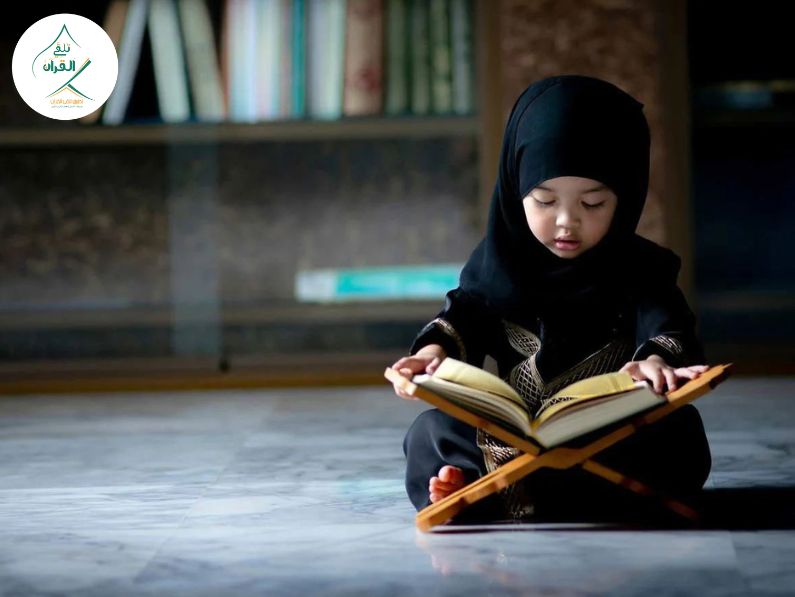
Start Your Child’s Quranic Journey Today!
Investing in your child’s ability to read the Quran and master understanding the Arabic language is one of the most rewarding gifts you can offer them. Don’t let distance or language barriers stand between your children and the Book of Allah.
🎁 How to Get Started Today:
-
🌟 [Click Here to Claim Your Child’s Free Trial Session]
-
📲 Download the Talaqi Al-Quran App:
-
💬 WhatsApp Support:
+966 54 241 5488 -
✉️ Official Email:
talaqqialquran25@gmail.com
Give your child the opportunity to connect with the Holy Quran with confidence, fluency, and joy today!